Advocates have transformed the landscape of modern marketing, becoming crucial allies for brands seeking to connect genuinely with their audience. You might be surprised to see how brand ambassadors have evolved from mere influencers to trusted advocates who seek to promote products and services through sincerity and authenticity. In this blog post, you will explore the multifaceted roles brand ambassadors play in shaping consumer perceptions, driving engagement, and nurturing lasting relationships with their communities. Understanding the dynamics of this shift will empower you to leverage brand ambassadors effectively in your marketing strategy.
Defining the Brand Ambassador
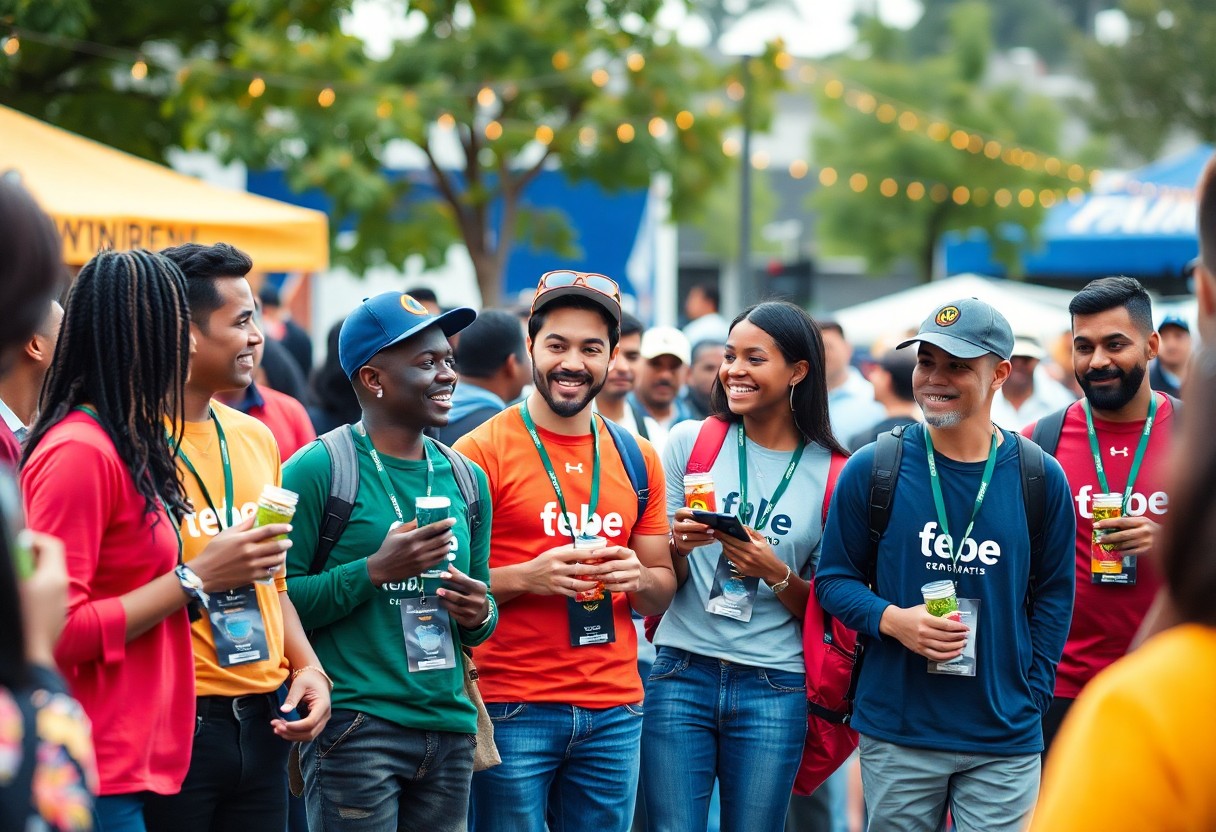
Your understanding of a brand ambassador goes beyond mere endorsements. A brand ambassador is a passionate advocate for a company or product, embodying its values and mission. Unlike transient influencers, brand ambassadors foster long-term relationships, driving genuine connections between the brand and its audience. Their authenticity resonates, expanding the brand’s reach and enhancing its reputation in a competitive marketplace.
Characteristics of Effective Brand Ambassadors
By focusing on several key traits, you can identify effective brand ambassadors. These individuals are authentic, relatable, and passionate about the brand they represent. They communicate clearly and engage with their audience consistently. Moreover, they have a deep understanding of the brand's values, enabling them to convey messages that align seamlessly with your brand identity, fostering trust and loyalty among consumers.
Distinguishing Between Influencers and Advocates
For many, the terms influencer and advocate may seem interchangeable, but they represent different dynamics in marketing. Influencers often promote brands for compensation and may not have a personal connection to them, whereas advocates support brands out of genuine enthusiasm. This distinction is necessary for your marketing strategy, as advocates can cultivate lasting relationships and enhance brand loyalty through their authentic voices.
In fact, the difference between influencers and advocates can significantly impact your brand's perception. While influencers often rely on their reach and follower count, advocates build trust through their authentic experiences and loyalty. Advocates are seen as trusted sources, enabling your brand to generate organic enthusiasm and word-of-mouth promotion. By investing in brand ambassadors, you can leverage their natural advocacy to create deeper connections with your audience, leading to long-term success.
The Evolution of Brand Ambassadors in Marketing
Clearly, the concept of brand ambassadors has transformed significantly over the years. Initially seen as celebrities endorsing products, today's brand ambassadors encompass a broader spectrum of individuals, including micro-influencers and everyday consumers. This evolution reflects the growing demand for authentic connections and relatable engagement in marketing, as brands strive to align with voices that resonate with their audiences.
Historical Perspective
Historical evidence shows that brand ambassadors have existed long before the term became popular. Early forms of ambassadors included local business owners and community figures who recommended products or services. As marketing evolved, major companies began to enlist celebrities to promote their brands, vastly expanding their reach and influence through mass media.
The Impact of Social Media
By harnessing the power of social media, brand ambassadors have gained unprecedented access to their audiences. You can now leverage platforms like Instagram, TikTok, and Twitter to connect with potential customers in ways that traditional marketing cannot match. This accessibility allows for real-time engagement and fosters a sense of community and trust between brands and consumers.
But the impact of social media extends beyond mere visibility. It enables consumers to follow, interact, and build relationships with brand ambassadors in a more intimate setting. This connection encourages more vibrant conversations around brands, allowing you to share experiences, feedback, and even collaborate on campaigns. Consequently, your customers become advocates themselves, amplifying your brand's message across their networks and fostering a loyal community that thrives on mutual support and shared values.
Strategies for Engaging Brand Ambassadors
Not every brand ambassador relationship is created equal; your approach to engagement can significantly influence their effectiveness. Establishing a compelling narrative around your brand helps in aligning your ambassadors with your mission and values. Provide them with resources, training, and guidance so they can authentically share their experiences, amplifying your brand's message to their audience. This reduces the potential for disconnection and ensures they remain enthusiastic participants in your marketing strategy.
Building Authentic Relationships
Beside clear communication, fostering genuine connections is imperative in creating long-lasting partnerships with your brand ambassadors. You should invest time to know their personal stories, interests, and what truly resonates with them. This way, you can cultivate an environment where they feel valued and appreciated, leading to authentic advocacy. Mutual respect and a sense of belonging will strengthen your collaboration, making your brand ambassadors feel like an integral part of your marketing efforts.
Leveraging User-Generated Content
Ambassadors can become your most effective content creators by showcasing their genuine experiences with your brand through vibrant user-generated content. Encourage them to share photos, videos, or testimonials that reflect your product and its impact on their lives. By giving them the space and freedom to express their creativity, you not only diversify your content but also strengthen the community of advocates behind your brand.
Relationships fostered through user-generated content help create a sense of belonging and community around your brand. When ambassadors share their genuine stories and experiences, it resonates more deeply with their audience, making your brand appear more relatable. This organic storytelling can lead to increased trust and engagement, encouraging potential customers to connect with your product in a meaningful way. By promoting and amplifying this content, you can effectively showcase how your brand fits into real-life scenarios, enhancing your brand’s overall narrative.
Measuring the Impact of Brand Ambassadors
After implementing a brand ambassador program, it's crucial to evaluate its effectiveness. Measuring the impact not only helps you refine your strategies but also illustrates the value your ambassadors bring to your brand. By utilizing various tools and metrics, you can gain insights into engagement, reach, and conversion rates to inform future marketing initiatives.
Key Performance Indicators
Before you assess the success of your brand ambassadors, you should establish clear key performance indicators (KPIs). These KPIs might include engagement rates on social media, website traffic, lead generation, and sales conversions. By quantifying these metrics, you can track how well your ambassadors resonate with your audience and contribute to your marketing goals.
ROI Calculation Methods
Before venturing into ROI calculations, you need to gather data on your brand ambassador activities. This includes tracking expenses related to ambassador campaigns, such as compensation and marketing materials, and comparing those with the revenue generated from increased sales and brand awareness. Establishing a clear framework for these calculations will help you understand the financial benefits of your ambassador program.
With a structured approach to ROI calculation, you can assess how effectively your investments in brand ambassadors translate into revenue. Tools such as referral tracking and analytics platforms can help attribute sales to specific ambassadors, allowing you to quantify their contributions. By comparing costs against the financial gains derived from brand awareness and customer loyalty, you can make informed decisions about the future of your ambassador initiatives.
Case Studies: Successful Brand Ambassador Campaigns
Keep in mind the power of impactful brand ambassador campaigns. Here are some compelling examples showcasing the effectiveness of this marketing strategy:
- Nike and Colin Kaepernick: Achieved a 31% increase in online sales within a week following Kaepernick's ad launch.
- Coca-Cola and Selena Gomez: Increased brand engagement by 35% through a series of Instagram promotions.
- Puma and Rihanna: Saw a 17% rise in quarterly sales after Rihanna's ambassadorship kicked off.
- Adidas and Beyoncé: Generated a social media buzz with over 1 million mentions in 48 hours post-announcement.
For more insights, check out Brand Ambassadors: Roles and Benefits | TMDesign.
Major Brands and Their Ambassadors
Among the notable collaborations, brands like Nike, Coca-Cola, Puma, and Adidas have excelled by leveraging well-known personalities. These partnerships amplify their reach and create authentic connections with audiences, allowing the brands to communicate their values more effectively.
Lessons Learned
Campaigns that integrate brand ambassadors teach you valuable lessons about authenticity and audience targeting. Authentic connections between the ambassador and the brand resonate better with consumers, fostering trust and loyalty.
But analyzing successful campaigns reveals that you should choose ambassadors whose values align with your brand to drive engagement. Additionally, effective communication and a compelling narrative can enhance audience connection. Incorporating measurable goals ensures you can assess performance and adapt future strategies for greater impact.
Challenges Faced by Brand Ambassadors
Now, as a brand ambassador, you will encounter various challenges that can impact your effectiveness. The fine line between influencing and advocating can become blurred, making it important to understand How is an Influencer Different from a Brand Ambassador?. Building and maintaining credibility requires continuous engagement with your audience while aligning with brand objectives, which is no easy feat.
Maintaining Authenticity
Brand ambassadors must consistently represent the brand without compromising their personal authenticity. Your audience looks for genuine connections, so it's vital that your actions and endorsements feel natural and not forced. This balance influences your credibility and, ultimately, your success in promoting the brand.
Navigating Brand Expectations
After establishing your role, you'll find that navigating brand expectations can present unique challenges. Each brand has its guidelines and objectives, which may sometimes clash with your personal style or beliefs.
Considering the dynamics of working with brands, it's important to develop a clear understanding of their messaging and target audience. By doing so, you can ensure your promotional efforts align effectively without sacrificing the authenticity that resonates with your followers. Regular communication with the brand's marketing team can help you stay updated, ensuring your activities reflect their expectations while allowing for your genuine voice to shine through.
To wrap up
To wrap up, understanding the evolution of brand ambassadors from mere influencers to trusted advocates is necessary for your modern marketing strategy. As you leverage their power, consider how they can authentically connect with your audience and elevate your brand’s reputation. By fostering genuine relationships and aligning values, you can transform these ambassadors into effective allies, driving engagement and loyalty. Embrace this change and utilize the unique insights they provide to create a more impactful presence in your market.
FAQ
Q: What is the primary role of brand ambassadors in modern marketing?
A: Brand ambassadors serve as representatives of a company or its products, promoting them across various platforms. Their main role is to create a positive image for the brand within their audience, often leveraging their influence to drive engagement and establish brand loyalty.
Q: How do brand ambassadors differ from traditional influencers?
A: While both brand ambassadors and traditional influencers promote products and services, brand ambassadors typically have a deeper and long-term connection with the brand. They represent the brand consistently over time, embodying its values and messaging, whereas influencers might work on a one-off campaign basis without an ongoing association.
Q: What benefits do brands gain by collaborating with brand ambassadors?
A: Collaborating with brand ambassadors offers several advantages, including authentic engagement with target audiences, enhanced credibility, and building trust. Brand ambassadors can also help increase brand visibility, drive sales, and generate valuable content that can be used in marketing strategies.
Q: How can a brand select the right ambassador for their marketing strategy?
A: To select the right brand ambassador, companies should consider factors such as the ambassador's alignment with the brand values, audience demographic, and past engagement metrics. Conducting thorough research ensures that the ambassador's image resonates with the brand's target audience, resulting in a more effective partnership.
Q: What are some effective ways to leverage brand ambassadors in marketing campaigns?
A: Brands can leverage ambassadors by involving them in product launches, creating authentic content for social media, hosting events, or participating in brand storytelling. Additionally, engaging ambassadors in customer interactions can personalize the brand experience and foster stronger connections with potential consumers.


 Posts
Posts


0 Comments