Just when you think you’ve achieved the perfect audio setup, there’s always room for improvement with a Digital Sound Processor (DSP). This innovative technology can significantly enhance your audio experience, whether you’re listening at home, in your car, or through headphones. By optimizing sound quality, balancing frequencies, and providing customizable settings, a DSP empowers you to tailor your audio environment to suit your preferences. In this post, we'll probe what a Digital Sound Processor is and how it can transform the way you enjoy your favorite music and sounds.
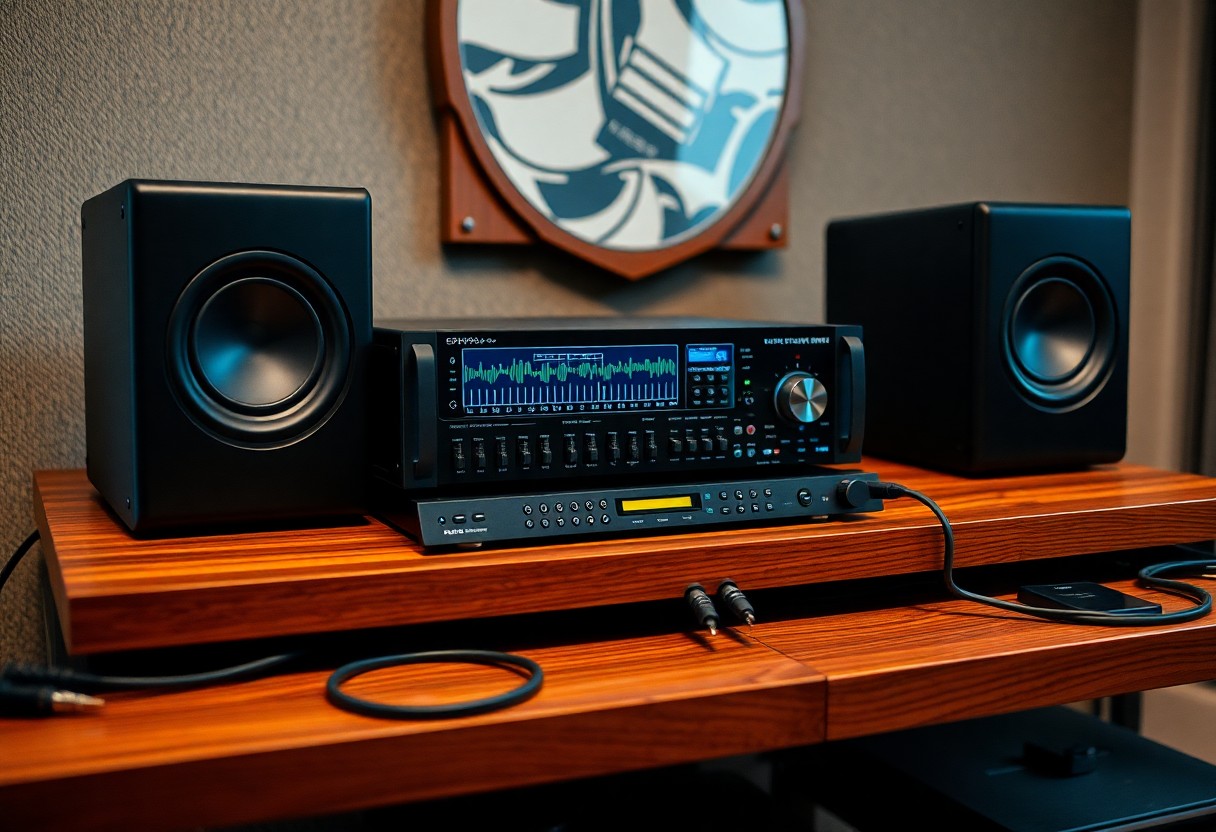
The Mechanisms Behind Digital Sound Processing
Digital sound processing relies on a range of sophisticated mechanisms that transform audio signals and enhance your listening experience. Understanding these mechanisms can help you leverage your audio equipment to its fullest potential, ensuring that every note and beat is delivered as intended. The key processes in digital sound processing engage both the conversion of sound and the algorithms designed to enhance audio quality, bringing clarity and depth to your music and soundtracks.
Converting Analog to Digital: The Core Technology
The conversion of analog signals to digital format is the backbone of digital sound processing. This transformation occurs through an analog-to-digital converter (ADC), which samples the analog waveform at discrete intervals, capturing the crucial details of the sound wave. This sampling rate typically ranges from 44.1 kHz (CD quality) to higher rates for professional applications, allowing you to experience rich audio playback that matches or exceeds the original sound.
Algorithms at Play: Enhancing Sound Quality
Innovative algorithms are at the heart of digital sound processors, enabling you to enjoy improved sound clarity and richness. These algorithms analyze the digital signals to identify and remove unwanted noise, optimize dynamic range, and even simulate high-fidelity sound reproduction. Implementing techniques like equalization and compression ensures that every audio track sounds its best, regardless of the genre or source.
Some common algorithms used in digital sound processing include convolution reverb and multiband compression. Convolution reverb uses impulse response to mimic the acoustics of various environments, from concert halls to small rooms. Multiband compression allows for targeted sound control across different frequency ranges, minimizing distortion while maintaining clarity. When these algorithms work together, they enhance your overall audio experience, delivering a rich, immersive soundscape that transforms your listening sessions.
Elevating Audio Clarity: The Benefits of DSP
The integration of a Digital Sound Processor (DSP) significantly enhances audio clarity, allowing you to experience sound as it was intended. With features designed to manipulate audio signals with precision, DSPs refine the listening experience by improving the overall quality of sound reproduction. From reducing background noise to fine-tuning audio frequencies, these enhancements enable you to immerse yourself fully in the music, movie, or game you’re enjoying, elevating your audio experience to a professional level.
Noise Reduction: Cutting Out the Unwanted
DSP technology excels at noise reduction, effectively eliminating unwanted sounds that can distract from your audio experience. By analyzing incoming signals in real time, it can identify and suppress background noise, allowing you to enjoy clearer sound quality. This capability is particularly beneficial in environments with lots of ambient noise, like busy streets or crowded venues, ensuring that your audio remains crisp and focused.
Frequency Adjustment: Tailoring Your Sound
Frequency adjustment empowers you to fine-tune the sound profile to your liking, adjusting lows, mids, and highs to create a personalized listening experience. DSPs give you the ability to enhance or diminish specific frequency ranges, allowing you to accentuate bass for your favorite music genre or soften treble for podcast listening.
By leveraging advanced equalization options, you can create distinct presets for different audio scenarios. For example, you might create a bass-heavy profile for hip-hop music, while opting for a flatter EQ setting for classical compositions. This tailored approach lets you adapt audio to your preferences, ensuring that every note resonates as intended. You might find that certain frequencies overpower others without adjustment, but with a DSP, you have the tools to balance sound perfectly across all types of content, culminating in an audio experience uniquely yours.
A Game Changer for Various Use Cases
Digital sound processors are reining supreme across multiple environments, revolutionizing how you engage with audio. From your living room to professional studios, these tools are enhancing every audible experience by significantly improving sound clarity and depth. Whether you're unwinding with your favorite tunes or producing a chart-topping hit, DSP technology equips you with the level of precision needed to elevate sound quality beyond traditional methods.
Personal Listening: The Home Audio Revolution
Imagine transforming your living space into a personalized sound sanctuary. With a digital sound processor, you gain the ability to tailor sound profiles to match your preferences, allowing for an immersive listening experience. By adjusting settings for bass response or treble clarity, you can enjoy every nuance in your music or podcasts, creating a unique sound landscape that suits your taste and mood.
Professional Settings: Transforming Studio Production
In professional audio production, digital sound processors are invaluable tools that enhance the quality and efficiency of your workflow. By utilizing advanced algorithms, these processors help you achieve a level of detail and accuracy that was once nearly impossible to attain. From mixing intricate instrument tracks to mastering a final cut, DSPs allow you to manipulate sound with expert precision, ensuring that each element blends harmoniously, ultimately delivering superior audio results that resonate well with listeners.
Challenges and Limitations of Digital Sound Processing
Though digital sound processors have made impressive strides in enhancing audio quality, they are not without their challenges and limitations. For instance, the complexity of algorithms and processing techniques can sometimes lead to latency issues, causing a delay between the sound signal and the audio output. This delay can be particularly problematic in live performances where timing is paramount. Additionally, certain DSP configurations may still fail to accurately replicate the natural nuances of sound, leading audiophiles to question the organic richness of digitally processed audio.
The Quest for Perfect Sound: Possible Drawbacks
Aiming for flawless audio reproduction can introduce unwanted artifacts and imperfections. For instance, excessive noise suppression might eliminate some of the warmth in a recording, resulting in a flat listening experience. Such drawbacks highlight the delicate balance between achieving clarity and maintaining the character of the original sound. Finding this equilibrium often falls short of expectations, especially for discerning listeners who seek authenticity in their audio experiences.
Balancing Complexity and Usability: User Considerations
As digital sound processing technology evolves, it often comes with increased complexity in functionality. For users, this can mean a steeper learning curve, particularly for those who are less tech-savvy. While you may encounter an array of customizable settings designed to optimize your sound experience, navigating these options can be overwhelming. The challenge lies in pairing advanced audio capabilities with intuitive interfaces that cater to both novices and experts alike.
Consider, for example, high-end digital audio workstations that offer extensive customization options. While this can enhance sound quality, the intricate menus and settings may frustrate users unfamiliar with audio engineering principles. Manufacturers must find ways to simplify interfaces without sacrificing the depth of control required by audiophiles. Features like presets or user-friendly tutorials could make these tools more accessible. Balancing advanced functionality with ease-of-use can create a more enjoyable audio experience, allowing you to focus on what matters—immersing yourself in your favorite sounds without technical hindrances.
Future Trends in Digital Sound Processing
The future of digital sound processing is set to revolutionize how you experience audio, making it more immersive and personalized than ever. Emerging technologies promise significant advancements in sound quality, enabling enhanced spatial audio experiences and seamless integration with smart home systems. With developments in hardware and software, your audio environment will become more adaptable, catering specifically to your preferences and surroundings.
Innovations on the Horizon: What to Expect Next
As digital sound technology evolves, look out for innovations that focus on enhancing audio realism and interaction. Expect breakthroughs in adaptive sound algorithms that tailor audio output based on environmental conditions and user preferences. This means your audio could adjust automatically for optimal listening, transforming mundane experiences into captivating soundscapes.
The Role of AI in Sound Enhancement
Artificial Intelligence is transforming sound processing by offering unparalleled precision in audio enhancement. Leveraging machine learning algorithms, AI can analyze your listening habits, customize sound settings, and even adjust audio on-the-fly to suit your environment. This personalization not only improves clarity but can also emulate high-end sound systems within compact devices.
AI-driven systems analyze vast amounts of audio data, learning from your preferences and surroundings to provide a tailored audio experience. For instance, an AI-enhanced sound processor can detect background noise and automatically apply noise-cancellation techniques, enhancing clarity. Moreover, advancements in deep learning enable these systems to optimize EQ settings dynamically, making sure you enjoy that concert-like experience wherever you are. Imagine your headphones adapting seamlessly to different genres of music, providing you with the best sound regardless of whether you're listening to classical or pop. This intelligent adaptability marks a significant evolution in how you interact with sound.
Conclusion
Hence, understanding how a digital sound processor works enables you to elevate your audio experience significantly. By tailoring sound parameters to your preferences, you can enjoy clearer dialogue, enhanced bass, and an overall more immersive listening environment. Investing in a quality digital sound processor can transform your everyday audio interactions, whether you’re watching movies, playing games, or enjoying your favorite music. Embrace this technology to take full control of your sound landscape and enjoy audio like never before.
Q: What is a Digital Sound Processor (DSP)?
A: A Digital Sound Processor, commonly referred to as a DSP, is a specialized microprocessor that manipulates audio signals in a digital form. It takes incoming audio data, processes it through algorithms, and outputs an improved version of the sound. It can be found in various audio systems, including home theaters, music production equipment, and sound reinforcement systems.
Q: How does a DSP improve sound quality?
A: A DSP enhances sound quality by performing functions such as equalization, dynamic range compression, and spatial processing. Equalization allows users to adjust frequency levels, ensuring a balanced sound profile. Dynamic range compression helps in controlling loud and soft sounds, making them more pleasant to the listener. Spatial processing creates a sense of space and depth, making audio feel more immersive.
Q: Can I use a DSP with any audio system?
A: Yes, many DSPs are designed to be compatible with various audio systems, including home audio setups, professional sound systems, and even portable devices. However, it is important to check specific compatibility and connection options to ensure optimal integration and functionality with your existing equipment.
Q: What are the common features of a Digital Sound Processor?
A: Common features of a Digital Sound Processor include advanced equalizers, preset sound profiles, surround sound simulation, and customizable audio settings. Some DSPs also offer room correction features that analyze the acoustics of your environment and adjust the sound accordingly for a more balanced listening experience.
Q: Is a Digital Sound Processor worth the investment?
A: Investing in a Digital Sound Processor can significantly enhance your overall audio experience. Whether you’re an audiophile seeking high-quality sound or simply want to improve the audio playback from your devices, a DSP can provide noticeable improvements. The level of enhancement can depend on factors such as your existing audio setup and personal preferences, but many users find that the benefits justify the investment.


 Posts
Posts


0 Comments