With the rise of digital technology, understanding how a Digital Signal Processor (DSP) can significantly improve your audio and communication systems is necessary. DSPs are specialized microprocessors designed to manipulate digital signals in real-time, providing high-quality audio effects, noise reduction, and enhanced communication clarity. In this blog post, you will discover how these powerful components work, their applications in various devices, and how they can upgrade your listening and communication experiences.
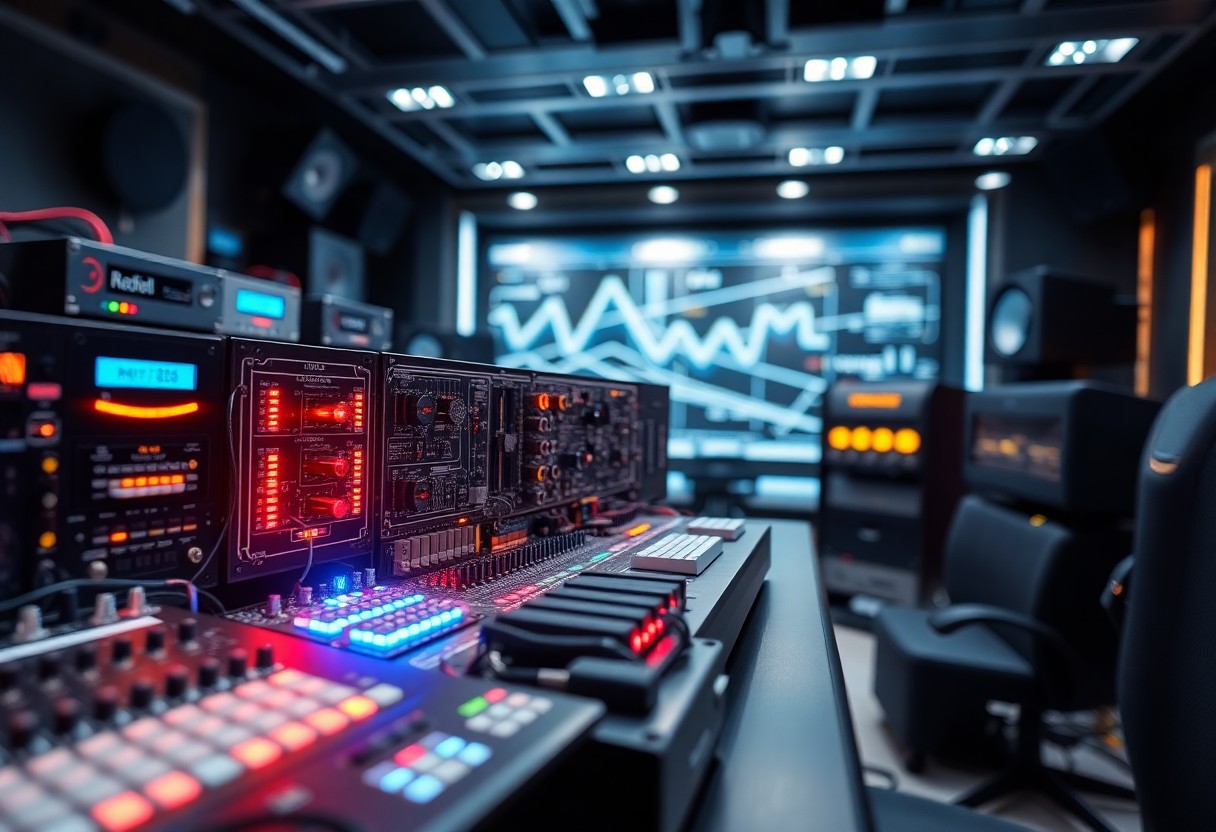
The Evolution of Audio and Communication Technologies
The journey of audio and communication technologies has been remarkable, shifting from analog systems to sophisticated digital designs. Innovations like the introduction of the telegraph in the 19th century laid the groundwork, followed by the invention of the radio and the telephone, which transformed how people shared information. The digital age witnessed the advent of CDs, MP3s, and streaming, enhancing sound quality and accessibility. Today, you benefit from countless advancements, enabling high-definition audio and seamless global communication through the integration of digital signal processing in various devices.
Key Developments Leading to DSP Implementation
The implementation of digital signal processing (DSP) was catalyzed by several key developments in technology. The emergence of microprocessors and advancements in semiconductor technology allowed for real-time data processing, making it feasible to manipulate audio signals mathematically. As the demand for enhanced audio fidelity and efficiency grew, systems were developed to compress data, allowing you to stream and experience higher quality sound in various applications.
The Role of DSP in Modern Communication Systems
DSP plays a significant role in modern communication systems by efficiently processing and transferring audio data. It facilitates noise reduction, echo cancellation, and signal enhancement, resulting in clearer and more reliable communication. With advancements in telecommunications, DSP technology contributes to various applications, such as VoIP and mobile audio processing, where real-time performance is vital.
In today's landscape, DSP is integral to both everyday communication devices and advanced applications. For instance, in VoIP technology, DSP algorithms handle tasks like voice encoding, enabling compression for quick transmission while preserving the quality of your conversations. Furthermore, in mobile communication, DSPs are responsible for managing signal processing to ensure clear audio even in noisy environments. This seamless integration not only delivers better user experiences but also optimizes network bandwidth, allowing you to enjoy uninterrupted communication regardless of location.
Demystifying Digital Signal Processing
Understanding Digital Signal Processing (DSP) can seem daunting, but it importantly revolves around the manipulation of digital signals to improve their quality or extract meaningful information. By converting analog signals into digital format, you gain the ability to use mathematical algorithms for a range of applications, including audio processing, speech recognition, and telecommunications. This transformation allows for enhanced efficiency and precision, making it simpler to design systems that meet specific user requirements.
Core Concepts of DSP: Sampling, Quantization, and Filtering
Sampling, quantization, and filtering form the foundational components of DSP. Sampling refers to the process of taking discrete measurements from a continuous signal at regular intervals, allowing you to represent the signal in a digital format. Quantization then involves approximating these sampled values into finite levels, which leads to a loss of some information but makes processing feasible. Filtering, on the other hand, helps eliminate unwanted noise or enhance desired aspects of the signal, enabling clearer audio reproduction and communication.
Techniques Leveraging DSP for Enhanced Clarity and Fidelity
Advanced techniques in DSP can significantly enhance audio clarity and fidelity. For instance, adaptive filtering adjusts the filter parameters based on real-time feedback, optimizing sound quality in dynamic environments. Equalization adjusts the balance of frequency components in a signal, allowing you to emphasize vocals while minimizing background noise. Additionally, dynamic range compression manages the variations in volume, ensuring a more consistent listening experience. By applying these techniques, systems can achieve higher sound quality and clearer communication, thereby improving overall user satisfaction.
Real-world applications illustrate the efficacy of these DSP techniques. In modern headphones, adaptive noise cancellation utilizes real-time DSP to create sound waves that counteract ambient noise, providing unparalleled listening experiences. For live audio systems, equalization curves are often customized for specific venues, ensuring optimal sound regardless of the environment. Similarly, before streaming audio, dynamic range compression is applied in recording studios to ensure that music sounds polished and professional across various playback devices. Through these methods, DSP not only refines sound quality but transforms how you experience audio and communication in everyday life.
Real-World Applications: Transforming Audio Experiences
You’ll find that Digital Signal Processors are key players in many industries, revolutionizing how you experience sound and communication. Whether it’s enhancing the clarity of phone calls, enabling surround sound in your home theater, or providing immersive effects in gaming, DSP technology is embedded in everyday applications. This not only improves audio quality but also transforms your interactions with digital media, making them more engaging and enjoyable.
DSP in Consumer Electronics: Enhancing Everyday Devices
DSP in Professional Audio: Elevating Music and Broadcast Quality
Communication Systems Revolutionized by DSP
The implementation of Digital Signal Processing (DSP) has drastically transformed communication systems, making them more efficient and reliable. With the ability to manipulate signals in real-time, crucial improvements in audio clarity, noise reduction, and data management have been achieved. These advancements enable seamless communication in various fields, from telecommunications to broadcasting, ultimately enhancing user experiences and expanding the capabilities of modern communication technology.
Signal Enhancement in Telecommunications
Utilizing DSP techniques in telecommunications significantly improves signal quality by reducing static, echoes, and noise interference. This enhancement allows for clearer voice calls, more defined audio in video conferencing, and an overall better user experience. Algorithms designed for Adaptive Noise Cancellation (ANC) are particularly effective, enabling you to communicate effortlessly even in challenging environments.
The Impact of DSP on Compression and Data Transmission
DSP plays a pivotal role in optimizing data for transmission across networks. By applying advanced compression techniques, the amount of bandwidth required for sending audio and video signals can be drastically reduced. This efficiency not only makes it easier to send high-quality content over limited bandwidths, but it also minimizes the time taken for data transfers, leading to faster communication speeds.
The integration of DSP within compression algorithms such as MP3 for audio and H.264 for video allows for remarkable reductions in file sizes without sacrificing quality. For instance, an MP3 file typically reduces the original file size by up to 90% while maintaining perceptible sound quality. This efficiency has enabled streaming services to deliver high-definition audio and video to millions of users simultaneously, reshaping how you consume content online. Furthermore, DSP's ability to adaptively compress data based on network conditions ensures optimal transmission speeds, enhancing your overall communication experience.
Future Trends: What’s Next for DSP Technology?
The landscape of Digital Signal Processing is evolving rapidly, driven by advancements in computational power and innovative applications. Future trends indicate an increased integration of DSPs with AI and machine learning, providing you with enhanced capabilities in audio analysis and communication systems. Furthermore, the rise of 5G technology is set to revolutionize DSP applications, making systems faster and more efficient. As these technologies converge, expect to see smarter, more adaptive DSP solutions tailored to your specific needs.
Emerging Innovations in Machine Learning Integration
Machine learning is reshaping how DSPs operate, allowing for more intelligent data processing. You’ll benefit from algorithms that can learn from and adapt to your usage patterns, optimizing audio quality and communication clarity. Innovations like neural networks are being embedded into DSP chips, which means real-time optimization and improved predictive capabilities tailored to your personal audio preferences.
The Potential for 5G and Beyond in DSP Applications
The implications of 5G technology on DSP applications are profound, offering unprecedented speed and connectivity. With a 5G network, your devices can process higher data rates, enable more immersive audio experiences, and improve real-time communication, such as video calls with near-zero latency. The demand for efficient data transmission and low latency will drive the development of next-gen DSPs specifically calibrated for these environments.
5G can support more users and devices simultaneously, which necessitates advanced DSP techniques that prioritize bandwidth and minimize lag. You can expect cutting-edge features like high-definition audio streaming and seamless interaction in decentralized networks. As your devices become more integrated, DSPs will handle machine-to-machine communications with greater efficiency, adapting dynamically based on network conditions. The future promises sophisticated DSP solutions that not only enhance existing technologies but also pave the way for entirely new applications in fields like virtual reality, autonomous vehicles, and smart cities.
Conclusion
To wrap up, understanding digital signal processors (DSPs) can significantly enhance your audio and communication systems. By leveraging the power of DSPs, you can effectively improve sound quality, reduce noise, and enable advanced processing techniques in your applications. As you explore the capabilities of these specialized processors, you'll find they play a vital role in delivering sharper, clearer, and more efficient communication, ultimately elevating your overall experience.
FAQ
Q: What is a Digital Signal Processor (DSP) and how does it work?
A: A Digital Signal Processor (DSP) is a specialized microprocessor designed for the efficient processing of digital signals. It works by converting analog signals into digital format, applying mathematical operations, and converting them back into analog signals. DSPs are optimized for tasks that involve audio and communication processing, such as filtering, coding, and compression, enabling improvements in sound quality and clarity in communication systems.
Q: How does a DSP enhance audio systems?
A: DSPs enhance audio systems by providing advanced features like equalization, dynamic range compression, and noise reduction. They can process audio signals to achieve a desired sound profile, allowing users to customize audio experiences. This includes adjusting bass and treble levels or eliminating background noise during recordings. Overall, DSPs contribute to a more refined and immersive audio experience.
Q: In what ways do DSPs improve communication systems?
A: DSPs improve communication systems by enabling efficient encoding and decoding of signals, which enhances clarity and reduces transmission errors. They support advanced techniques like echo cancellation, which is vital in telephony, and adaptive filtering for noise reduction in challenging environments. This leads to clearer conversations and more reliable data transmission across various communication platforms.
Q: What applications commonly use DSP technology?
A: DSP technology is widely used in various applications, including consumer electronics like smartphones and audio equipment, automotive systems for navigation and safety features, and telecommunications for voice and data services. Other areas include medical devices for imaging and diagnostics, and industrial automation, where DSPs help in processing signals for control systems. The versatility of DSPs makes them integral to many modern technologies.
Q: What are the advantages of using DSPs over traditional analog processing?
A: The advantages of using DSPs over traditional analog processing include greater precision in signal manipulation, flexibility for programmable functionalities, and the ability to implement complex algorithms that would be difficult or impossible with analog systems. DSPs also offer improved consistency in performance, scalability, and the potential for integration into compact, portable devices, making them highly suitable for modern applications requiring efficiency and quality.


 Posts
Posts


0 Comments