It's imperative to understand the role of the Central Processing Unit (CPU) in your computer system. This key component acts as the brain of your device, executing instructions and managing tasks efficiently. In this post, you will discover the different types of CPUs, their primary functions, and how they work synergistically to power your everyday computing experience, whether you're gaming, browsing, or multitasking.
Key Takeaways:
- The CPU is the primary component responsible for executing instructions and processing data in a computer.
- There are various types of CPUs, including single-core, multi-core, and specialized processors, each serving different computing needs.
- The performance and efficiency of a CPU significantly impact the overall speed and capability of a computer system.
What is a CPU?
Definition and Role
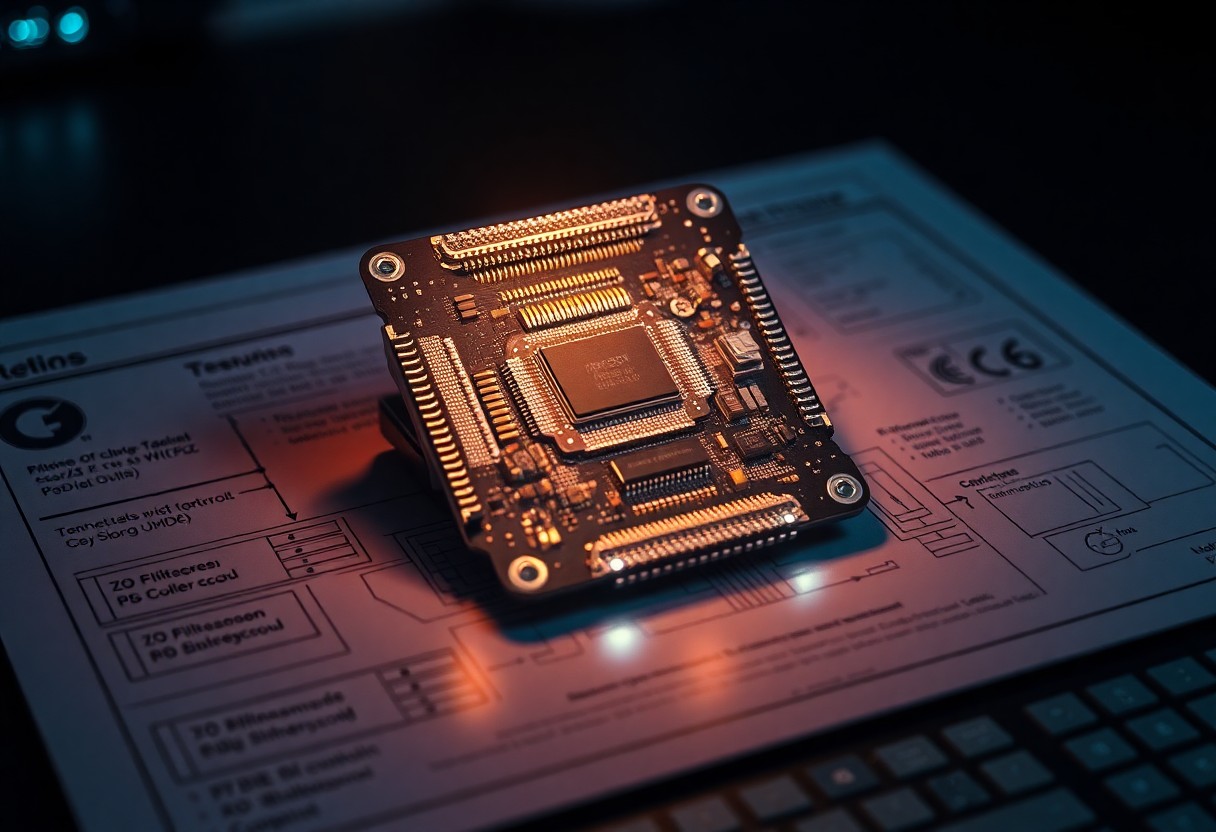
A CPU, or Central Processing Unit, serves as the brain of your computer, executing instructions and processing data. It interprets commands from software and coordinates the actions of other components. Essentially, without a CPU, your computer could not perform tasks, from simple calculations to complex simulations.
Key Components
Your CPU consists of several key components, including the Arithmetic Logic Unit (ALU), Control Unit (CU), and cache memory. Each plays a specific role in data processing and instruction execution, forming a synchronized unit that drives overall system performance.
More About Key Components
The Arithmetic Logic Unit (ALU) handles all arithmetic and logical operations, processing numbers and making comparisons. Meanwhile, the Control Unit (CU orchestrates the flow of data within the CPU, directing operations and managing communications with memory and other hardware. Cache memory, located inside or near the CPU, stores frequently accessed data and instructions, enabling faster processing speeds. Together, these components ensure efficient operation, as modern CPUs can execute billions of instructions per second, demonstrating the complexity and capability of these powerful devices.
Functions of the CPU
The CPU's primary functions encompass processing data, managing instructions, and controlling various components within your computer system. By efficiently performing these functions, the CPU ensures smooth operation, enabling applications and software to run seamlessly. Whether you're multitasking between programs or running complex algorithms, the CPU orchestrates everything at lightning speed.
Processing Data
Processing data involves executing arithmetic and logical operations on the information supplied to the CPU. This includes tasks such as calculations, comparisons, and data manipulation. With high clock speeds and multiple cores, modern CPUs can handle enormous amounts of data simultaneously, making them important for everything from basic applications to advanced simulations.
Managing Instructions
Your CPU systematically manages instructions by fetching them from memory, decoding their meanings, and executing them. This operation occurs in a rapid sequence—fetching an instruction, interpreting what it requires, and then carrying out the action. This cycle, known as the instruction cycle, typically follows a three-phase process that includes fetch, decode, and execute stages, allowing for efficient task management and resource allocation.
The management of instructions is critical because it directly influences performance and responsiveness. Utilizing techniques such as pipelining, your CPU can overlap the execution of multiple instructions, drastically reducing wait times. Additionally, modern CPUs employ complex architectures like superscalar execution, enabling them to process multiple instructions in parallel, resulting in smoother multitasking and enhanced overall system efficiency.
Types of CPUs
Understanding the various types of CPUs is crucial for selecting the right processor for your computing needs. Each type offers distinct advantages depending on usage requirements, such as speed, efficiency, and processing power.
- Microprocessors
- Multi-core processors
- Embedded processors
- Digital signal processors (DSPs)
- Application-specific integrated circuits (ASICs)
After selecting the type, consider how each fits your specific requirements.
| Type | Description |
|---|---|
| Microprocessors | Single-chip CPUs for general-purpose computing. |
| Multi-core processors | CPUs with multiple processing units for enhanced performance. |
| Embedded processors | Customized processors for specific applications in devices. |
| Digital signal processors (DSPs) | Specialized for handling digital signals efficiently. |
| Application-specific integrated circuits (ASICs) | Designed for specific applications to optimize performance. |
Microprocessors
Microprocessors serve as the heart of personal computers and many other devices, facilitating tasks by performing arithmetic and logic operations. They typically integrate all functions of a CPU onto a single chip, which allows for compact form factors and lower production costs. Microprocessors are ideal for general-purpose computing, handling everything from basic tasks to complex computations.
Multi-core processors
Multi-core processors contain two or more processing units, or cores, on a single chip, allowing for parallel processing of tasks. This architecture enhances performance, enabling smoother multitasking and faster execution of applications. You can run multiple programs simultaneously without significant slowdowns, which is valuable for both personal use and professional applications.
Multi-core processors are particularly beneficial in environments where high performance is demanded, such as gaming and video editing. Different cores can execute independent processes or share workloads for more efficient operation. For example, a quad-core processor can handle four tasks at once or distribute threads of a single application across its cores, resulting in quicker completion times. The evolution of these processors has led to significant advancements in computing technology, allowing for applications that were once thought impractical to run seamlessly on consumer hardware.
How the CPU Powers Every Computer
The CPU serves as the heart of your computer, coordinating all operations and enabling seamless communication between hardware and software components. By executing instructions from programs and managing data flow, it drives the overall functionality and performance of your system. With advancements in technology, the CPU’s architecture determines much of your computer's capabilities. For a deeper explore What is a CPU?, explore the intricate roles it plays in modern computing.
Interaction with other components
Performance Metrics
To evaluate your CPU's efficiency, various performance metrics are utilized, including clock speed, core count, and cache size. These indicators help you understand not only raw processing power but also how effectively your CPU can handle multitasking and complex calculations.
Clock speed, measured in GHz, indicates how many cycles your CPU can perform each second, while core count reflects the number of simultaneous processes your CPU can manage. For instance, a quad-core processor can effectively handle four processes at once, enhancing multitasking capabilities. Cache size, on the other hand, determines how much data your CPU can access quickly, impacting overall speed and responsiveness. Balancing these metrics is key to optimizing your computing experience.
Advances in CPU Technology
Recent advancements in CPU technology have significantly enhanced performance, power efficiency, and capabilities. Innovations such as smaller process nodes, improved thermal management, and advanced architectures have allowed for higher clock speeds and multi-core designs. Manufacturers are continuously pushing the envelope, integrating AI capabilities, and optimizing processing for specialized tasks, ensuring that modern CPUs meet the demands of today's applications.
Speed and Efficiency
Modern CPUs feature remarkable speed improvements due to advancements in architecture and manufacturing processes. With diminishing process sizes down to 3nm, processors boost clock speeds significantly while consuming less power. Technologies like dynamic frequency scaling and advanced caching mechanisms further enhance efficiency, enabling your CPU to deliver maximum performance without draining energy resources, particularly during intensive tasks.
Emerging Trends
Emerging trends in CPU technology focus on integrating AI capabilities, optimizing for parallel processing, and exploring heterogeneous architectures. This multifaceted approach allows CPUs to handle a greater variety of tasks simultaneously while improving task-specific performance. Additionally, the rise of quantum computing and neuromorphic chips signals a new frontier, promising groundbreaking changes in how computing problems are solved.
Emerging trends also include the shift toward system-on-chip (SoC) designs, which integrate various functionalities into a single chip, minimizing physical space and enhancing performance. Companies like Apple and AMD are leading the way, creating CPUs that efficiently manage tasks from graphics processing to machine learning. Furthermore, there’s a growing emphasis on sustainability, with developments aimed at reducing the environmental impact of CPU manufacturing and operation. This blend of advanced capabilities and eco-conscious design reflects the future of computing technology.Common Applications of CPUs
CPUs are integral to a variety of applications, powering devices that range from everyday computers to specialized systems. Whether you're browsing the web, running software, or engaging in gaming, the CPU processes data at lightning speed, enabling seamless operation across different platforms and tasks.
Everyday Computing
Your daily computing activities, such as word processing, web browsing, and video streaming, rely heavily on the CPU. Each action you take, from clicking a link to editing a document, is executed efficiently due to the fast processing capabilities of your CPU, ensuring a smooth user experience.
Specialized Uses
Beyond everyday tasks, CPUs are also found in specialized applications, including data analysis, machine learning, and video editing. In these scenarios, the processor handles complex calculations and large datasets swiftly, enabling professionals in fields like finance and media to make data-driven decisions and create high-quality content efficiently.
In fields such as artificial intelligence and simulation modeling, specialized CPUs, including those with multiple cores or dedicated architectures, significantly enhance performance. For instance, a data scientist leveraging a multi-core CPU can execute thousands of calculations concurrently, dramatically reducing the time required for machine learning model training. Similarly, video editing software optimizes rendering tasks by utilizing CPU power to manipulate high-resolution footage efficiently. These examples illustrate how CPUs not only boost routine tasks but also elevate productivity in resource-intensive environments.
Final Words
The Central Processing Unit (CPU) serves as the brain of your computer, executing instructions and performing calculations that enable your system to function effectively. You can improve your understanding of various CPU types and their roles in technology by exploring more information in this resource about What Is CPU? | Central Processing Unit CPU Functions, Types. Understanding how the CPU operates empowers you to make informed decisions regarding computer performance and upgrades.
FAQ
Q: What is a CPU and what are its primary functions?
A: A CPU, or Central Processing Unit, is the main component of a computer that performs most of the processing inside a computer. Its primary functions include executing instructions from programs, performing calculations, and managing data flow in the system.
Q: What are the different types of CPUs available?
A: There are several types of CPUs including microprocessors, multi-core processors, and specialized processors like GPUs. Microprocessors serve general purposes, multi-core processors enhance performance by handling multiple tasks simultaneously, and GPUs are optimized for graphical processing.
Q: How does a CPU power a computer?
A: The CPU powers a computer by interpreting and executing instructions from software programs, which initiate operations such as calculations, data processing, and communication between hardware components. This centralized processing allows the computer to perform complex tasks efficiently.
Q: What is the significance of clock speed in a CPU?
A: Clock speed, measured in gigahertz (GHz), indicates the number of cycles a CPU can perform per second. Higher clock speeds generally lead to faster processing capabilities, allowing the CPU to execute tasks quickly and improving overall system performance.
Q: How do multi-core processors enhance performance?
A: Multi-core processors contain multiple processing units (cores) on a single chip, which allows them to execute multiple instructions simultaneously. This parallel processing capability improves performance in multitasking and demanding applications, leading to smoother operation and faster execution of complex tasks.


 Posts
Posts


0 Comments